
Support from friends & family
Family sponsorship allows Canadian citizens and permanent residents to sponsor relatives, facilitating their immigration based on kinship ties. Refugee sponsorship, however, aids individuals fleeing persecution, providing humanitarian support. Each process has unique criteria, obligations, and processing times, tailored to reuniting families or offering protection to vulnerable individuals.
Here are your 4 options
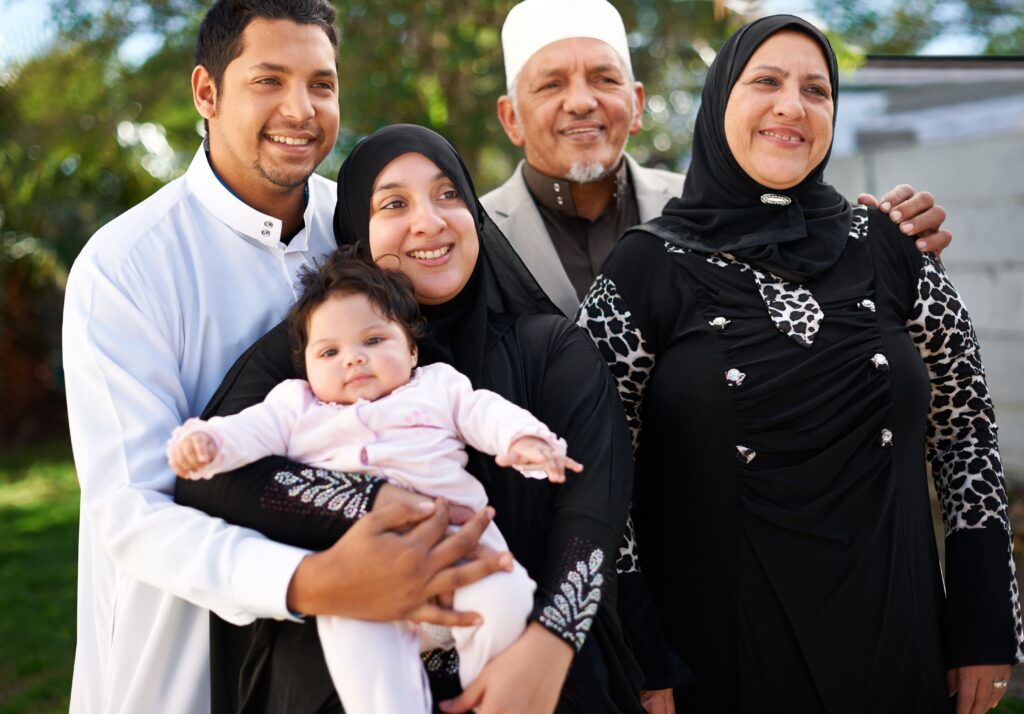
1. Family Sponsorships
This program offers Canadian citizens or permanent residents the opportunity to sponsor certain close family members to Canada if they meet the following requirements:
- You are over the age of 18
- You are a Canadian citizen, a permanent resident of Canada, or a person registered in Canada as an Indian under the Canadian Indian Act
- If you are a Canadian citizen living abroad, you need to show that you intend to live in Canada when the person you are sponsoring becomes permanent resident
- You are not eligible to sponsor someone if you are a permanent resident living abroad
- You are able to demonstrate that you are not receiving social assistance unless it’s for a disability
- You are able to provide the basic needs of any persons you are sponsoring
There are no income requirements if you are sponsoring your spouse or partner or dependent child; however, you will need to demonstrate that you meet the minimum level of income for certain other types of sponsored family members.
Please see below a list of family members who may be sponsored under the family class:
1 Spouse:
- Your spouse must be legally married to you and at least 18 years old.
2 Common-law partner:
- Someone who isn’t legally married to you, but has been living with you for at least 12 consecutive months.
3 Conjugal partner:
- Someone that isn’t legally married to you or in a common-law relationship with you
- Has been in a relationship with you for at least one year
- Lives abroad and can’t live with you or marry you because of significant legal and immigration reasons such as:
- Marital status
- Sexual orientation
- Persecution
4 Children:
- Your children will qualify as dependants if they are under 22 years old and they don’t have a spouse or common-law partner
- Children over the age of 22 may qualify as dependants if they are unable to financially support themselves due to a mental or physical condition, and they have depended on their parents for financial support since before the age of 22
5. Parents
6. Grandparents
7. Orphans:
- You may sponsor an orphaned brother, sister, nephew, niece or grandchild if they meet all the following conditions:
- They are related to you by blood or adoption
- Both their parents passed away
- They are under the age of 18
- They are single
8. Adopted children:
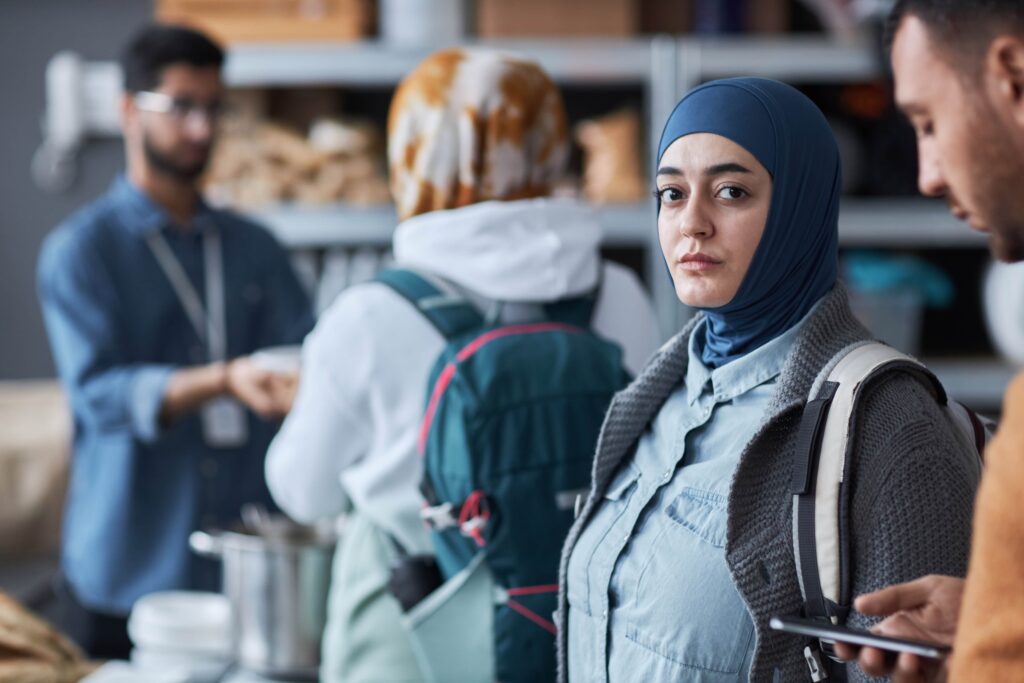
2. Refugee Sponsorships
Immigration, Refugee and Citizenship Canada also has a program that allows private groups to sponsor eligible refugees for up to a period of 1 year.
Although individuals are unable to sponsor refugees, the following groups are eligible: sponsorship agreement holders (SAHs), groups of 5 or community sponsors.
Depending on how you choose a refugee to sponsor, the application process will vary.
- The Blended Visa Office-Referred program allows groups to choose from a list of refugees that have been pre-approved to come to Canada. This program reduces the financial burden on sponsors, prioritizes the most vulnerable refugees and connects pre-screened individuals and allows them to travel sooner
- The Joint Assistance Sponsorship program allows groups to sponsor refugees with special needs. However, this program is restricted to SAHs and their Constituent Groups.
- Or groups can sponsor a specific refugee or refugee family
Sponsor Agreement Holders
SAHs are groups that sign agreements with the Government of Canada to help support refugees when they come to Canada. They can either sponsor refugees themselves or work with others in the community to help sponsor refugees. Most SAHs are religious, ethnic, community or humanitarian organizations.
To be eligible to become a SAH, your organization must be:
- Incorporated
- Physically located in Canada and
- Approved by IRCC as a SAH before you apply to sponsor a refugee
Once you are approved to become a SAH, you are then able to apply to sponsor a refugee. You can do this one of three ways:
- You may want to sponsor a specific refugee or refugee family. This is known as a ‘sponsor-referred refugee.’ The refugee must qualify under Canada’s refugee and humanitarian resettlement program, and you both must fill out an application that case officers will assess.
- Blended Visa Office-Referred Program. This program helps to reduce the financial burden on private sponsors and prioritizes the most vulnerable refugees. Sponsors must complete an application form and choose a refugee from the list provided by the Refugee Sponsorship Training Program. Once paired, the sponsor becomes responsible for start-up costs, six months of financial support, and 1 year of social and emotional support, but will also receive up to 6 months of financial support from the IRCC.
- Visa Office-Referred Program. The VOR program is similar to the BVOR program but requires the sponsor to take on the total costs of the sponsorship. Sponsors can choose a refugee from the IRCC’s Resettlement Operations Centre in Ottawa.

3. Group Of Five
These groups of 5 or more Canadian citizens or permanent residents sponsor refugees to live in communities. They may only sponsor applicants recognized as refugees by the UNHCR or a foreign state. The principal applicant must already have refugee status and cannot be in the process of claiming refugee status.
To be eligible, each member of the group must:
- Be a Canadian citizen or permanent resident
- Be at least 18 years old
- Live in the same community where the refugee is expected to settle and
- Agree to provide settlement support for the length of the sponsorship
The group must also provide a settlement plan and prove they have the money to sponsor a refugee for one year. The Group of 5 must also decide on the refugee they would like to support, whether a specific refugee or refugee family or a refugee referred through the BVOR or VOR program.

4. Community Sponsors
These are organizations, associations, or corporations that sponsor refugees. Organizations must agree to support the sponsored refugee emotionally and financially for the entire sponsorship period. Similarly to the other categories, the refugee must be recognized by either the UNHCR or a foreign state and already have refugee status.
Brace Law is determined to provide you with the best solution that will help you fulfill your desire to enter and remain in Canada legally. BOOK A CONSULTATION today with Brace Law to discuss your eligibility in applying to sponsor a refugee.